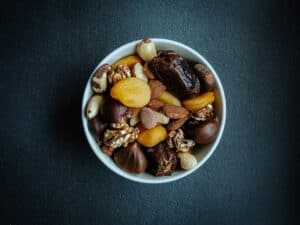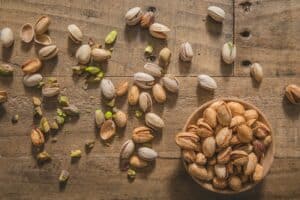
Hazelnuts are the “dessert nut” in my head. They taste rich and almost chocolatey even when you eat them plain. That makes them a sneaky good option when you want a snack that feels indulgent but still fits a balanced day.
Hazelnuts also contain vitamin E, an antioxidant nutrient often discussed in the context of overall health. Some research reviews even explore how hazelnuts and their compounds might relate to brain health.
Let us keep it realistic, practical, and useful.
What research suggests about hazelnuts and brain health
A 2024 review indexed on PubMed discusses hazelnut consumption and possible links to brain health, including antioxidant and anti-inflammatory qualities. Reviews like this summarize mechanisms and early evidence. They are helpful for context, but they are not proof that eating hazelnuts prevents disease.
Separately, vitamin E has been studied in relation to cognitive function. A 2025 systematic review (PubMed) looked at vitamin E and cognitive outcomes across many studies. Like most nutrition topics, findings can vary by population, study design, and whether vitamin E comes from food patterns or supplementation.
The takeaway: hazelnuts are a nutrient-dense food that may support a brain-friendly diet pattern. They are not a medical treatment.
Vitamin E in hazelnuts (why people mention it)
Hazelnuts are a notable food source of vitamin E. Nutrition databases based on USDA data list about 4.3 mg of vitamin E per 1 ounce (28 g) serving of hazelnuts. That is one reason hazelnuts show up in lists of vitamin E foods.
Vitamin E is fat-soluble, and hazelnuts naturally contain healthy fats, which makes them an easy, food-based way to include vitamin E in your diet.
If you want to double-check nutrient info for specific foods, USDA FoodData Central is the source many databases pull from.
A realistic serving size
A small handful (about 1 ounce, 28 g) is a common serving. Hazelnuts are calorie-dense, so portioning helps.
If you are someone who can polish off half a bag while scrolling, portion hazelnuts into snack containers. Future you will be grateful.
Simple, everyday ways to eat hazelnuts
1) Yogurt bowl that tastes like dessert
Chop hazelnuts and add them to yogurt with sliced fruit. Add cinnamon. It feels like a treat.
2) Oatmeal topper
Hazelnuts add crunch and richness to oats. Toast them first for a deeper flavor.
3) Salad bowl crunch
Hazelnuts are great on salads with greens, apples, and a simple vinaigrette. If you want more lunch-bowl ideas, the Healthy Salad Bowls Guide on ovpns.dev has great combos you can adapt.
4) Snack plate dinner
This is my go-to when I am tired:
- hazelnuts
- fruit
- veggies
- hummus or cheese
- crackers
It is quick, and it feels like a meal.
5) Blend into a quick sauce
If you have a blender, hazelnuts can become a creamy, nutty sauce with olive oil, garlic, and lemon. Spoon it over roasted vegetables or pasta.
Storage tips
Hazelnuts stay fresher longer when stored cool and dry. If you buy a large bag, keep most of it in the freezer and refill a smaller container as needed.
Safety notes
- Hazelnuts are tree nuts. If you have a nut allergy, avoid them and follow medical guidance.
- Watch added sugar in hazelnut spreads and flavored nuts. Many products are closer to dessert than snack.
For general food safety guidance, the FDA has practical resources on safe food handling.
Frequently asked questions
Are hazelnuts better than almonds for vitamin E?
Almonds are typically higher in vitamin E per ounce, but hazelnuts still contribute a meaningful amount. Variety is fine.
Should I take vitamin E supplements instead?
Do not self-prescribe supplements. Food sources are a safer starting point for most people. If you are considering supplements, consult a qualified professional.
Do roasted hazelnuts lose nutrients?
Roasting can reduce some delicate compounds, but roasted hazelnuts are still nutrient-dense. If roasting helps you eat them regularly, it is a good tradeoff.
Can kids eat hazelnuts?
Whole nuts can be a choking hazard for young children. Follow age-appropriate guidance and consult a pediatric professional if you are unsure.
What is the easiest way to start?
Add chopped hazelnuts to one meal you already eat, like yogurt or oatmeal.
Bottom line
Hazelnuts are a tasty, nutrient-dense snack with vitamin E and healthy fats. Research explores possible connections between nut-rich eating patterns and brain health, but the most realistic benefit is this: hazelnuts help you build a higher-quality snack routine that supports overall well-being.
For more approachable meal ideas, browse Healthy Recipes and Budget Meals on ovpns.dev.
About the Author:
Amine is a software developer who believes that great code starts with great nutrition. After years of balancing high-pressure tech roles with a sedentary lifestyle, he founded ovpns.dev to share realistic, healthy meal ideas designed for busy professionals. When he isn’t writing code or setting up servers, you’ll find him in the kitchen experimenting with recipes that boost focus and energy.