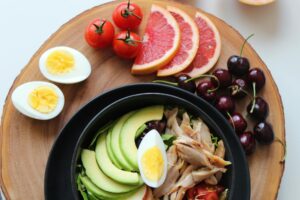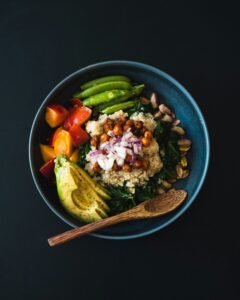
Meal prepping lunch boxes is one of my favorite tricks for eating healthy throughout the week without spending hours in the kitchen each day. Additionally, when life gets busy, having grab‑and‑go meals ready saves me from reaching for costly takeout or packaged foods. Moreover, research shows that home cooking is linked to a reduced risk of chronic diseases, and people who cook at home tend to eat better quality food, consume fewer calories and spend less money than those who rely on prepared meals. In addition, planning and preparing meals ahead of time also helps with portion control and leads to more nutritious choices.
In this article, I’ll show you how to assemble balanced meal prep lunch boxes that follow Harvard’s Healthy Eating Plate guidelines: ½ vegetables and fruits, ¼ whole grains and ¼ healthy proteins, plus healthy oils and water. You’ll find a detailed recipe for a Mediterranean‑inspired lunch box, pro tips to streamline your prep, variations to keep things interesting, safe storage guidelines and answers to common meal prep questions.
Why Healthy Meal Prep Lunch Boxes Work
- Balanced nutrition – First, using Harvard’s Healthy Eating Plate as a model, filling half your lunch box with vegetables and fruits, a quarter with whole grains and the remaining quarter with lean proteins ensures a wide range of nutrients. Healthy plant oils and water complete the picture.
- Portion control & mindfulness – Second, planning meals in advance reduces portion sizes and helps you reach nutrition goals. Having pre‑portioned boxes on hand means you’re less likely to grab unhealthy options when hungry.
- Time & cost savings – Third, batch cooking protein, grains and vegetables in one session means you’re set for the week. People who cook at home not only eat better but also spend less money on food.
- Variety & flexibility – Moreover, meal prepping doesn’t have to mean eating the same meal every day. You can mix and match different grains, proteins and vegetables to keep lunches interesting.
- Food safety – Finally, following food safety guidelines (refrigeration, proper cooking temperatures and reheating) prevents foodborne illness. Refrigerated meals should be eaten within 3–4 days and frozen meals within 3–6 months.
📋 Recipe at a Glance
| ⏱️ Prep Time | 20 minutes |
| 🍳 Cook Time | 25 minutes |
| ⏰ Total Time | 45 minutes |
| 🍽️ Servings | 4 lunch boxes |
| 📊 Difficulty | Easy |
| 💰 Cost | Budget‑friendly |
Ingredients You’ll Need
Main Ingredients
- Quinoa – 1 cup uncooked (or use brown rice, farro or barley)
- Boneless, skinless chicken breasts – 2 large (about 1 lb total)
- Broccoli florets – 2 cups
- Red bell pepper – 1 large, seeded and sliced
- Zucchini – 1 medium, chopped into half moons
- Cherry tomatoes – 1 cup, halved
- Baby spinach or mixed greens – 2 cups
- Hummus or tzatziki – 1/2 cup (for dipping)
Marinade & Seasoning
- Olive oil – 3 tablespoons (for cooking and salad dressing)
- Lemon juice – 2 tablespoons
- Garlic powder – 1 teaspoon
- Dried oregano – 1 teaspoon
- Salt & freshly ground black pepper – to taste
Optional Add‑Ins
- Crumbled feta or goat cheese – adds tangy flavor
- Kalamata olives – a few per box for healthy fats
- Sliced avocado or guacamole – adds creaminess
- Cucumber slices, carrot sticks or sugar snap peas – for crunch
How to Make Healthy Meal Prep Lunch Boxes (Step‑by‑Step)
Step 1 – Prep Your Ingredients
- Wash and chop: First, rinse vegetables under running water and pat them dry. According to FoodSafety.gov, leftovers should be stored within two hours of cooking and divided into shallow containers to cool quickly. Always wash produce and sanitize your workspace before prepping.
- Cook quinoa: Next, rinse 1 cup of quinoa under cold water. Combine with 2 cups of water in a saucepan. Bring to a boil, reduce heat and simmer for 15–20 minutes until water is absorbed. Fluff with a fork and let cool.
- Marinate chicken: Meanwhile, in a bowl, whisk together 2 tablespoons olive oil, lemon juice, garlic powder, oregano, salt and pepper. Add chicken breasts and toss to coat. Let marinate for at least 10 minutes while preparing vegetables.
Step 2 – Cook Protein & Veggies
- Grill or bake chicken: Once the ingredients are prepped, preheat your oven to 400 °F (200 °C) or heat a grill pan over medium heat. Cook chicken for 5–7 minutes per side until the internal temperature reaches 165 °F (74 °C). Slice into strips once cool enough to handle.
- Roast vegetables: Then, toss broccoli, bell pepper and zucchini with 1 tablespoon olive oil, salt and pepper. Spread on a baking sheet and roast at 400 °F for 15–18 minutes until tender and slightly charred.
- Sauté spinach (optional): Finally, if you prefer wilted greens, quickly sauté spinach in a skillet with a drizzle of olive oil until just wilted. Otherwise, leave it raw for crunch.
Step 3 – Assemble the Boxes
- Layer grains: To assemble the boxes, start by dividing the cooled quinoa evenly among four meal prep containers. Quinoa provides complex carbohydrates and fiber.
- Add protein and veggies: After that, arrange sliced chicken next to the quinoa. Add roasted vegetables, cherry tomatoes and raw or wilted greens. Keep colors vibrant by placing different ingredients in separate sections of the container.
- Add extras: Next, include a small container of hummus or tzatziki for dipping. If using feta, olives or avocado, add them on top. Drizzle with a teaspoon of olive oil and an extra squeeze of lemon if desired.
- Cool & store: Finally, allow the boxes to cool slightly, then refrigerate promptly. Healthline’s meal prep guide recommends refrigerating meals within two hours of cooking and consuming refrigerated meals within 3–4 days.
Step 4 – Serve & Enjoy
- Grab and go: When your hunger strikes, take one lunch box from the fridge. If you prefer your meal warm, remove any items that should remain cold (e.g., greens, hummus) and microwave the grains and protein until heated through. Be sure that reheated foods reach 165 °F.
- Mix & enjoy: Once it’s meal time, drizzle with dressing if desired, mix the components together and enjoy a balanced lunch.
Pro Tips for Perfect Meal Prep Boxes
- Follow the plate ratio – First, fill half of your lunch box with vegetables and fruits, a quarter with whole grains and a quarter with lean protein. This ensures a variety of nutrients and keeps meals satisfying.
- Cool foods quickly – Additionally, divide cooked foods into shallow containers to cool quickly and refrigerate within two hours to prevent bacterial growth.
- Use sturdy containers – Furthermore, choose BPA‑free, microwave‑safe containers with compartments to keep components separate. Glass or stainless steel containers preserve flavors and resist stains.
- Season each component – Also, layering flavors makes meal prep enjoyable. Marinate meats, roast vegetables with herbs and add dressings just before serving.
- Keep variety – Finally, avoid meal prep fatigue by changing up the grains, proteins and vegetables each week. Rotating flavors helps your body get a range of nutrients.
Easy Variations to Try
| Variation | Swap This | For This |
|---|---|---|
| Plant‑based protein | Chicken breast | Replace with roasted chickpeas, baked tofu or tempeh |
| Mexican bowl | Quinoa & hummus | Use brown rice, black beans, corn and salsa |
| Asian‑inspired | Lemon herb seasoning | Use teriyaki sauce or soy‑ginger glaze; add edamame and shredded carrots |
| Mediterranean vegan | Dairy-based tzatziki | Use vegan tzatziki or hummus; add falafel |
| Grain‑free option | Quinoa | Replace with cauliflower rice or roasted sweet potato cubes |
| Seafood twist | Chicken | Swap with grilled salmon or shrimp; add avocado and cucumber |
How to Store Your Lunch Boxes
- Refrigerator: Store assembled lunch boxes in the fridge at 40 °F (4 °C) or below. Eat within 3–4 days. Label containers with the date to track freshness.
- Freezer: You can freeze individual components (grains, proteins, roasted vegetables) for up to 3–6 months. Use freezer‑safe containers and leave headspace for expansion.
- Reheating: Thaw frozen components overnight in the refrigerator or use the microwave’s defrost function. Reheat meals to 165 °F (74 °C) and eat within 24 hours of defrosting.
- Avoid reheating multiple times: Reheat foods only once to reduce the risk of foodborne illness.
Common Mistakes to Avoid
- ❌ Not balancing macros – Filling your box with just one food group (e.g., only protein or only carbs) leads to nutrient gaps. → ✅ Follow the Healthy Eating Plate ratio to ensure balance.
- ❌ Skipping proper cooling – Leaving food out for more than two hours allows bacteria to grow. → ✅ Cool foods quickly in shallow containers and refrigerate promptly.
- ❌ Reusing containers without cleaning – Bacteria can linger in improperly cleaned containers. → ✅ Wash containers thoroughly between uses; glass and stainless steel are dishwasher friendly.
- ❌ Making only one recipe – Eating the same meal all week can lead to boredom. → ✅ Prep two to three different meals or vary components to keep things interesting.
- ❌ Forgetting to add flavor – Bland meals are less satisfying. → ✅ Season proteins, roast vegetables with herbs, and include dips or dressings.
- ❌ Ignoring portion sizes – Over‑packing your box may lead to overeating. → ✅ Use measuring cups or a kitchen scale to portion grains and proteins.
Key Takeaways
- ✅ Home cooking improves health and saves money: People who cook at home eat higher quality food, consume fewer calories and spend less money than those who dine out.
- ✅ Plan meals using the Healthy Eating Plate: Fill your lunch box with half vegetables and fruits, one quarter whole grains and one quarter lean protein.
- ✅ Meal prep encourages portion control and reduces reliance on processed foods.
- ✅ Follow food safety guidelines: Refrigerate meals within two hours, store leftovers for 3–4 days and reheat to 165 °F.
- ✅ Vary your ingredients: Mixing up grains, proteins and vegetables keeps meals interesting and ensures a range of nutrients.
- ✅ Use proper containers: Airtight, compartmentalized containers keep foods fresh and prevent cross‑contamination.
Frequently Asked Questions
Q: How far in advance can I meal prep lunch boxes?
A: It’s best to prepare lunches for 3–4 days at a time. Cook and assemble boxes on Sunday and Wednesday, for example, so you always have fresh meals. Refrigerated meals are safe for up to 4 days.
Q: Can I freeze meal prep boxes?
A: Yes! Freeze individual components (grains, proteins, roasted vegetables) for up to 3–6 months. Thaw overnight in the refrigerator or use the microwave’s defrost function, then reheat to 165 °F before eating.
Q: How do I prevent vegetables from getting soggy?
A: Store wet ingredients (like dressings or hummus) in separate containers and keep greens and raw vegetables separate from cooked foods. Sturdy vegetables like roasted carrots, broccoli and bell peppers hold up well over several days.
Q: What are some budget‑friendly protein options?
A: Beans, lentils, canned tuna, eggs and tofu are all affordable sources of protein. Chickpeas and lentils can replace chicken in this recipe for a plant‑based version.
Q: Do I need to reheat everything?
A: Not always. Some meals, like salads or cold grain bowls, can be eaten chilled. If you’re reheating, remove any raw greens or toppings that could wilt. Make sure reheated foods reach 165 °F (74 °C).
Ready to Prep?
Meal prepping balanced lunch boxes empowers you to take control of your nutrition, save time and money and avoid midday hunger traps. With a little planning and these simple steps, you can assemble colorful, nutrient‑dense meals that follow the Healthy Eating Plate guidelines and stay fresh all week. Once you get into the routine, you’ll find it easier to vary your meals, maintain portion control and enjoy home‑cooked lunches wherever you are.
For more healthy meal ideas, check out our healthy salad bowls guide. If you’re cooking on a budget, don’t miss our budget‑friendly dinner recipes. Love quick meals? Try our 20‑minute one‑pan dinners or browse our quick and easy recipes and meal prep weekly plans.
About the Author:
Amine is a software developer who believes that great code starts with great nutrition. After years of balancing high-pressure tech roles with a sedentary lifestyle, he founded ovpns.dev to share realistic, healthy meal ideas designed for busy professionals. When he isn’t writing code or setting up servers, you’ll find him in the kitchen experimenting with recipes that boost focus and energy.