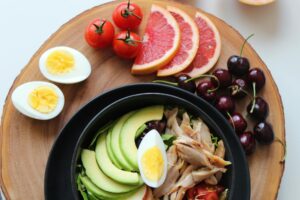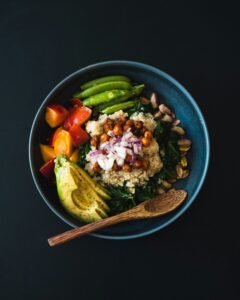
When you’re aiming to eat well and stay energized, I’ve found that making high‑protein lunches ahead of time is a game changer. Additionally, a protein‑rich diet keeps me feeling full longer and helps support muscle health, bone strength and weight management. Moreover, the National Academy of Medicine recommends adults consume at least 0.8 grams of protein per kilogram of body weight (roughly 50–70 grams per day depending on your size) and suggests that protein should make up 10–35% of daily calories. Lean protein sources like chicken breast are particularly useful because they are low in calories and saturated fat and deliver about 32 grams of protein per 100 grams.
As a busy parent and food blogger, I’ve tested countless meal prep methods. In addition, I’ve learned that swapping red meat for lean poultry can lower the risk of heart disease and other chronic illnesses. Furthermore, choosing lean or low‑fat cuts of meat, such as skinless chicken breasts, aligns with MyPlate guidance on varying your protein routine. Today, we’ll explore three flavorful chicken meal prep lunches—Mediterranean, Mexican and Asian inspired—that you can prepare in about an hour and enjoy all week.
Why High‑Protein Chicken Meal Prep Works
- Balanced nutrition – First, each lunch idea combines lean protein, complex carbohydrates and plenty of vegetables to create a complete meal. A high‑protein diet supports muscle growth and can help reduce hunger. Filling half your container with vegetables and fruits, one quarter with whole grains and the remaining quarter with lean protein mirrors the Healthy Eating Plate guidelines for balanced meals.
- Satiety & weight management – Second, protein’s effects on hormones help control appetite; research shows that eating more protein lowers ghrelin (the “hunger” hormone) and increases satiety signals. This makes it easier to stick to portion sizes and avoid midday snacking.
- Lean meat benefits – Third, replacing red and processed meats with healthier proteins like poultry, fish, nuts and beans can reduce the risk of heart disease and premature death. MyPlate also recommends choosing lean or low‑fat meat and poultry, such as skinless chicken breasts.
- Time & cost savings – Moreover, cooking a batch of chicken, grains and vegetables on a Sunday or Monday saves time throughout the week and helps avoid costly takeout. Home cooking has been linked to lower calorie intake and better diet quality.
- Variety & customization – Next, prepping three distinct flavor profiles (Mediterranean, Mexican and Asian) keeps lunches exciting. You can swap grains or veggies based on what’s in season or on sale, ensuring you never get bored.
- Food safety – Finally, following food safety guidelines—such as cooking poultry to an internal temperature of 165 °F (74 °C) and refrigerating meals within two hours—prevents foodborne illness. Leftovers should be eaten within 3–4 days and frozen portions within 3–6 months.
📋 Recipe at a Glance
| ⏱️ Prep Time | 30 minutes |
| 🍳 Cook Time | 40 minutes |
| ⏰ Total Time | 1 hour 10 minutes |
| 🍽️ Servings | 6 lunch boxes (2 of each flavor) |
| 📊 Difficulty | Easy |
| 💰 Cost | Budget‑friendly |
Ingredients You’ll Need
Base Ingredients (for all lunches)
- Skinless chicken breasts – 3 large (about 2 lbs total). Chicken breast provides the highest protein per weight while being low in fat.
- Olive oil – 4 tablespoons (divided)
- Sea salt & freshly ground black pepper – to taste
- Garlic powder – 1 teaspoon
- Onion powder – 1 teaspoon
- Paprika – 1 teaspoon
- Cooked grains – choose 1 cup dry quinoa, brown rice or whole‑grain pasta (makes ~3 cups cooked)
- Fresh vegetables – cherry tomatoes, bell peppers, zucchini, broccoli, corn, black beans, snap peas, carrots
- Fresh herbs & aromatics – garlic cloves, ginger, cilantro, parsley, lime or lemon juice
- Sauces & seasonings – soy sauce or tamari, sesame oil, chili powder, cumin, oregano, salsa, hummus or tzatziki
Idea 1 – Mediterranean Lemon Herb Chicken
- Juice of 1 lemon and zest
- Dried oregano – 1 teaspoon
- Quinoa – 1 cup cooked
- Cherry tomatoes – 1 cup, halved
- Cucumber – 1 medium, diced
- Spinach or mixed greens – 2 cups
- Hummus or tzatziki – 1/2 cup for dipping
Idea 2 – Spicy Chicken Burrito Bowl
- Brown rice – 1 cup cooked
- Black beans – 1 cup cooked or canned (rinsed and drained)
- Corn kernels – 1 cup (fresh or frozen)
- Red bell pepper – 1, chopped
- Avocado – 1, sliced
- Salsa – 1/2 cup
- Cilantro – handful, chopped
- Chili powder – 1 teaspoon
- Cumin – 1 teaspoon
Idea 3 – Asian Sesame Chicken Stir‑Fry
- Brown rice or soba noodles – 1 cup cooked
- Snap peas – 1 cup
- Carrots – 2 medium, sliced into matchsticks
- Soy sauce or tamari – 2 tablespoons
- Sesame oil – 1 tablespoon
- Fresh ginger – 1 inch, minced
- Sesame seeds – 1 tablespoon
- Green onions – 2, thinly sliced
Optional Add‑Ins
- Feta cheese or goat cheese (for Mediterranean lunches)
- Greek yogurt (as a lighter alternative to sour cream)
- Hot sauce or sriracha (for extra heat)
- Roasted nuts (like almonds or cashews) for added crunch
How to Make High‑Protein Chicken Meal Prep (Step‑by‑Step)
Step 1 – Season & Cook the Chicken
- Prep the chicken: First, trim any visible fat from the chicken breasts and pat them dry. In a large bowl, toss the chicken with 2 tablespoons olive oil, garlic powder, onion powder, paprika, salt and pepper. Let it marinate while you prepare the grains and vegetables.
- Cook the chicken: Next, heat a skillet or grill pan over medium‑high heat. Cook the chicken for 5–7 minutes per side until browned and the internal temperature reaches 165 °F (74 °C). Alternatively, roast the breasts on a sheet pan at 400 °F (200 °C) for 20–25 minutes. Once cooked, set aside to cool before slicing thinly.
- Slice and separate: Meanwhile, slice the cooked chicken into strips and divide it among three mixing bowls—one for each flavor profile. This makes it easy to season each batch differently.
Step 2 – Cook Grains and Prep Vegetables
- Prepare grains: Then, cook your chosen grains according to package instructions (quinoa, brown rice or noodles). For added flavor, cook grains in low‑sodium chicken broth or water seasoned with a pinch of salt.
- Chop vegetables: While the grains cook, wash and chop vegetables. According to food safety guidelines, always wash produce under running water and use clean cutting boards. Dice bell peppers, halve cherry tomatoes, slice cucumbers, julienne carrots and mince garlic and ginger.
- Blanch or roast: After chopping, blanch snap peas and broccoli in boiling water for 1–2 minutes, then plunge them into ice water to retain their color. For roasted vegetables (e.g., bell peppers, zucchini), toss with olive oil, salt and pepper and roast on a sheet pan at 400 °F (200 °C) for about 15 minutes.
Step 3 – Create Three Flavored Chicken Batches
- Mediterranean batch: To start, add lemon juice, lemon zest and dried oregano to the first bowl of sliced chicken. Toss until evenly coated.
- Mexican batch: Next, stir chili powder and cumin into the second bowl. Add a squeeze of lime juice and a handful of chopped cilantro.
- Asian batch: Finally, season the third bowl with soy sauce (or tamari), sesame oil, minced ginger and a sprinkle of sesame seeds.
Step 4 – Assemble Your Lunch Boxes
- Layer the bases: Begin by dividing the cooked grains among six meal prep containers—two containers per flavor. Quinoa goes into the Mediterranean boxes, brown rice into the burrito bowls, and brown rice or noodles into the stir‑fry boxes.
- Add protein: After that, place the corresponding seasoned chicken on top of the grains in each container.
- Add vegetables & extras: Then, arrange the vegetables and toppings:
- Mediterranean: Add cherry tomatoes, cucumber, greens and a small container of hummus or tzatziki. Sprinkle with feta if desired.
- Burrito bowl: Add black beans, corn, chopped bell pepper and avocado slices. Include a side of salsa and extra cilantro.
- Asian stir‑fry: Add snap peas, julienned carrots and green onions. Garnish with sesame seeds.
- Cool & store: Finally, allow the assembled boxes to cool for about 10–15 minutes. Refrigerate within two hours to prevent bacterial growth. Meals can be stored in the refrigerator for 3–4 days and frozen portions for 3–6 months.
Step 5 – Serve & Enjoy
- Reheat: When you’re ready to eat, remove any cold toppings (e.g., greens, avocado, salsa) and microwave the grains and chicken until warmed through. Ensure that reheated food reaches 165 °F.
- Mix and enjoy: Once it’s meal time, toss your vegetables with the chicken and grains, add sauces or dressings and savor your protein‑packed lunch. The combination of lean chicken, fiber‑rich grains and vegetables should keep you full for hours.
Pro Tips for Perfect Chicken Meal Prep
- Choose lean cuts – First, opt for skinless chicken breast to maximise protein and minimise saturated fat.
- Use a meat thermometer – Additionally, check the thickest part of the chicken to ensure it reaches 165 °F (74 °C). This guarantees safety without overcooking.
- Marinate for flavor – Furthermore, even a quick 10‑minute marination adds moisture and flavor. For deeper flavor, marinate for several hours in the fridge.
- Batch cook & separate – Also, bake or grill all the chicken at once, then separate into different bowls to season each batch. This saves time while keeping flavors distinct.
- Use compartmentalized containers – Finally, invest in BPA‑free, microwave‑safe containers with compartments. Keeping grains, proteins and toppings separate preserves texture and makes reheating easier.
Easy Variations to Try
| Variation | Swap This | For This |
|---|---|---|
| Low‑carb option | Brown rice or quinoa | Use cauliflower rice or extra greens |
| Vegetarian | Chicken breast | Replace with baked tofu, roasted chickpeas or tempeh |
| Seafood twist | Chicken | Use grilled salmon or shrimp in the Mediterranean or Asian boxes |
| Nutty crunch | No nuts | Add sliced almonds or cashews to the Asian stir‑fry for extra texture |
| Spicier burrito bowls | Standard seasoning | Add chipotle powder or jalapeños for heat |
How to Store Your Meal Prep Lunches
- Refrigerator: Store meal prep boxes in an airtight container at 40 °F (4 °C) or below. Eat within 3–4 days. Label each container with the date prepared.
- Freezer: Freeze individual components (cooked chicken, grains, roasted vegetables) in freezer‑safe containers or resealable bags. They will keep for 3–6 months. Thaw overnight in the refrigerator.
- Reheating: Thaw frozen meals and reheat until the chicken reaches 165 °F (74 °C). Avoid reheating more than once to maintain quality and safety.
- Separate wet and dry ingredients: Keep sauces, dressings and cold toppings separate until serving to prevent sogginess.
Common Mistakes to Avoid
- ❌ Overcooking chicken – Dry chicken is unpleasant. → ✅ Use a thermometer and remove chicken when it reaches 165 °F.
- ❌ Skipping lean cuts – Using chicken with skin adds unnecessary saturated fat. → ✅ Choose skinless breasts or thighs and trim visible fat.
- ❌ Ignoring variety – Eating the same flavor every day leads to burnout. → ✅ Prep multiple flavors or rotate ingredients weekly.
- ❌ Poor storage practices – Leaving food out too long invites bacteria. → ✅ Refrigerate meals within two hours, and eat within 3–4 days.
- ❌ Not balancing macros – Packing only protein without grains or veggies can leave you hungry. → ✅ Include complex carbs and fiber‑rich vegetables for sustained energy.
Key Takeaways
- ✅ Protein keeps you full and supports muscle and bone health: Adults need at least 0.8 g/kg of protein daily, and lean chicken breast provides 32 g protein per 100 g.
- ✅ Lean proteins beat red meat: Replacing red and processed meat with poultry or plant proteins can lower the risk of chronic disease.
- ✅ Meal prep saves time and money: Cooking in batches reduces weekday stress and ensures nutritious meals.
- ✅ Follow food safety guidelines: Cook chicken to 165 °F (74 °C) and refrigerate meals within two hours.
- ✅ Variety keeps it interesting: Mix up spices, grains and veggies to avoid boredom and meet diverse nutrient needs.
Frequently Asked Questions
Q: How much protein should I eat every day?
A: The National Academy of Medicine recommends adults consume at least 0.8 g/kg of body weight (about 50–70 g per day) and notes that protein can make up 10–35% of daily calories. Individual needs vary based on activity level and health goals.
Q: Why choose chicken breast over other cuts?
A: Chicken breast has the highest protein per weight and the fewest calories among common cuts—32 g of protein per 100 g with only 166 calories. Thighs and drumsticks provide a bit less protein and more calories but can be great if you need extra energy.
Q: Can I freeze my meal prep lunches?
A: Absolutely. Freeze cooked chicken, grains and vegetables separately for up to 3–6 months. Thaw overnight in the fridge and reheat to 165 °F (74 °C) before eating.
Q: How do I keep the chicken moist when reheating?
A: Reheat the chicken with a splash of water or broth and cover your container to trap steam. Avoid overcooking during reheating—remove it as soon as it’s hot throughout (165 °F).
Q: What if I don’t like quinoa or rice?
A: Swap them for other complex carbs like farro, barley or whole‑wheat couscous. For a low‑carb option, use cauliflower rice or extra greens. The key is to include a source of fiber and carbohydrates for sustained energy.
Ready to Prep?
Prepping high‑protein chicken lunches not only fuels your body but also streamlines your week and keeps your wallet happy. Furthermore, choosing lean poultry helps reduce saturated fat intake and supports long‑term heart health. With a bit of planning, you can create vibrant, protein‑packed lunches that taste delicious and keep you satisfied. Try these three meal prep ideas, experiment with flavors, and enjoy the benefits of home‑cooked meals.
For more healthy ideas, check out our healthy salad bowls guide. If you’re on a budget, visit our budget‑friendly dinner recipes. Love quick meals? Explore our 20‑minute one‑pan dinners and browse the quick and easy recipes or meal prep weekly plans for more inspiration.
About the Author:
Amine is a software developer who believes that great code starts with great nutrition. After years of balancing high-pressure tech roles with a sedentary lifestyle, he founded ovpns.dev to share realistic, healthy meal ideas designed for busy professionals. When he isn’t writing code or setting up servers, you’ll find him in the kitchen experimenting with recipes that boost focus and energy.