Money’s tight. Grocery prices keep climbing. And somehow, you’re still expected to put healthy, tasty meals on the table every night. If this sounds familiar, you’re definitely not alone.
I’ve been there standing in the grocery store aisle, mentally calculating whether I can afford both fresh vegetables and meat this week, wondering how other people manage to eat well without spending a fortune. The truth is, eating well on a budget isn’t about deprivation or settling for bland, boring food. It’s about being smart with ingredients and knowing which recipes deliver maximum flavor for minimum cost.
In this guide, I’m sharing 10 budget-friendly meals that genuinely taste good while costing less than $10 to make. These aren’t theoretical recipes created by someone who’s never actually had to stick to a tight budget. These are real dinners I’ve made countless times when money was tight, and they’ve all passed the most important test: my family actually asks for them again.
You won’t need expensive ingredients, specialty equipment, or advanced cooking skills. Just simple pantry staples, a little creativity, and these proven recipes that prove cheap dinners can still be absolutely delicious.
What Makes a Meal Truly Budget-Friendly?
A budget-friendly meal isn’t just about the total cost it’s about getting the most nutrition and satisfaction per dollar spent. The best cheap dinners use affordable staple ingredients that you can buy in bulk, incorporate inexpensive proteins like beans, eggs, or chicken thighs, minimize food waste by using every part of ingredients you buy, and create leftovers that taste just as good the next day.
The real secret to budget cooking is understanding which ingredients give you the best value. Rice, dried beans, pasta, potatoes, eggs, and certain vegetables like cabbage and carrots are incredibly cheap per serving while still being nutritious and filling. When you build meals around these staples and treat meat more as a flavoring than the main event, your grocery budget stretches much further.
I’ve also learned that buying certain items in bulk makes a huge difference. A 20-pound bag of rice might seem expensive upfront, but it breaks down to pennies per serving. The same goes for dried beans, pasta, and basic spices. If you have even $20-30 to invest in pantry staples, you’ll save money over the long run.
Why Budget Cooking Matters More Than Ever in 2026
Let’s talk reality for a minute. According to recent economic data, food prices have increased significantly over the past few years, and many families are feeling the squeeze. What used to be a manageable grocery bill has become a major monthly expense that competes with rent, utilities, and other essentials.
But here’s the thing eating on a budget doesn’t mean sacrificing your health or happiness. In fact, many traditional comfort foods from cultures around the world were born from necessity, created by people who needed to feed families with limited resources. These dishes have stood the test of time because they’re genuinely delicious, not despite being cheap, but because simple ingredients cooked well always taste amazing.
Learning to cook budget-friendly meals also gives you more control over your food and finances. You’re not at the mercy of restaurant prices or processed convenience foods that drain your wallet while offering questionable nutrition. You can feed your family real food made with real ingredients, even when money is tight.
The 10 Best Cheap Dinners Using Simple Ingredients
Let me walk you through my favorite budget-friendly recipes. I’ve calculated approximate costs based on average prices, but your actual costs may vary depending on your location and where you shop.
1. Classic Red Beans and Rice
Approximate cost: $4-5 for 4-6 servings
This Louisiana staple is the definition of budget cooking done right. Dried red beans cost about $1.50 per pound and make enough for several meals. Cook them with onions, bell pepper, garlic, and smoked sausage (or skip the sausage for an even cheaper vegetarian version). Serve over rice, and you’ve got a complete protein that’s hearty, flavorful, and incredibly satisfying.
The key is cooking the beans low and slow until they’re creamy and some have broken down to thicken the sauce naturally. Season with bay leaves, thyme, and a bit of hot sauce. This dish actually gets better over time, so leftovers are a bonus.
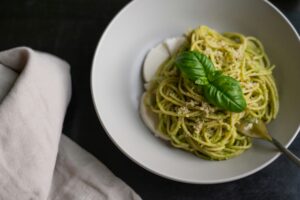
2. Spaghetti Aglio e Olio
Approximate cost: $3-4 for 4 servings
This classic Italian pasta dish proves that simple doesn’t mean boring. You literally only need spaghetti, garlic, olive oil, red pepper flakes, and parmesan cheese. The magic happens when you cook sliced garlic in olive oil until golden, toss it with pasta and some pasta cooking water, and let everything emulsify into a silky sauce.
I make this at least twice a month because it’s fast, cheap, and my kids devour it. Add some frozen peas or spinach if you want vegetables, but honestly, it’s perfect as-is. For more Italian-inspired affordable meals, check out our guide on simple Italian recipes on a budget.
3. Egg Fried Rice
Approximate cost: $3-4 for 4 servings
This is my go-to recipe for using up leftover rice and random vegetables lurking in the fridge. The base ingredients rice, eggs, soy sauce, and whatever vegetables you have cost almost nothing. Day-old rice actually works better than fresh because it’s drier and fries up nicely instead of getting mushy.
Scramble a few eggs, push them to the side, add your rice and vegetables, season with soy sauce and a touch of sesame oil if you have it, and you’re done in 15 minutes. It’s one of those meals that feels special but costs next to nothing.
4. Lentil Soup
Approximate cost: $5-6 for 6-8 servings
Lentils are seriously underrated. They’re packed with protein and fiber, cook in about 30 minutes without soaking, and cost roughly $1.50 per pound. A simple lentil soup with onions, carrots, celery, garlic, and canned tomatoes is nutritious, filling, and costs pennies per bowl.
I make a big pot on Sunday and eat it throughout the week. It actually tastes better after a day or two when the flavors have had time to meld. Serve with crusty bread or over rice to make it even more substantial.
5. Sheet Pan Chicken Thighs and Vegetables
Approximate cost: $8-9 for 4 servings
Chicken thighs are usually half the price of chicken breasts and honestly taste better they’re juicier and harder to overcook. Buy a family pack, toss the thighs on a sheet pan with potatoes, carrots, and onions, season with salt, pepper, and whatever herbs you have, and roast everything together.
The chicken fat bastes the vegetables while they cook, creating incredible flavor without any extra effort or ingredients. One pan, minimal prep, and you’ve got a complete meal that rivals anything from a restaurant.
6. Black Bean Tacos
Approximate cost: $5-6 for 4 servings
A can of black beans costs about $1. Seriously. Season them with cumin, garlic powder, and a bit of chili powder, warm some tortillas, and add toppings like shredded cabbage, salsa, and a squeeze of lime. You’ve got tacos that are filling, nutritious, and incredibly cheap.
I often mash some of the beans to create a creamier texture, which makes them more substantial. Add rice on the side, and you can feed a family for less than the cost of one fast-food meal. For more Mexican-inspired budget recipes, see our collection of affordable Mexican dinner ideas.
7. Baked Potato Bar
Approximate cost: $6-7 for 4 servings
Sometimes the simplest ideas are the best. Buy a bag of russet potatoes (usually $3-4 for 5 pounds), bake them, and set out various toppings: shredded cheese, sour cream, chili, steamed broccoli, bacon bits, or whatever you have on hand.
Everyone customizes their own potato, which means picky eaters are happy, and you’re not making multiple meals. A loaded baked potato is legitimately filling and can easily be a complete dinner, especially if you add some protein like chili or beans.
8. Pasta e Fagioli
Approximate cost: $5-6 for 6 servings
This Italian pasta and bean soup is comfort food at its finest and costs almost nothing to make. Small pasta shapes, canned white beans, canned tomatoes, carrots, celery, onion, and garlic come together in a hearty soup that’s perfect for cold evenings.
The beans add protein and make the soup thick and satisfying. A little bit of parmesan on top takes it over the edge. This is another recipe that makes great leftovers I actually prefer it the second day when the pasta has absorbed more of the broth.
9. Cabbage and Sausage Skillet
Approximate cost: $6-7 for 4 servings
Cabbage is one of the most underrated budget vegetables. A whole head costs $1-2 and feeds several people. Slice it thin, sauté with onions and smoked sausage (or kielbasa), and season with caraway seeds if you have them, or just salt and pepper.
The cabbage gets sweet and tender, the sausage adds flavor, and you’ve got a satisfying one-pan meal. Serve with potatoes or crusty bread. My grandmother made this weekly during the Depression, and it’s still a family favorite nearly a century later.
10. Shakshuka
Approximate cost: $5-6 for 4 servings
This Middle Eastern dish of eggs poached in spiced tomato sauce looks and tastes impressive but costs almost nothing. Sauté onions and bell peppers, add canned tomatoes and spices (cumin, paprika, garlic), create wells in the sauce, crack in eggs, and cover until the eggs are cooked to your liking.
Serve with bread for dipping, and you’ve got a dinner that works any time of day. It’s also naturally vegetarian and gluten-free if you skip the bread or use gluten-free versions.
Smart Shopping Strategies for Budget Meals
The recipes are only half the equation. How you shop matters just as much as what you cook. Here are strategies that have genuinely saved me hundreds of dollars:
Buy store brands: I’ve done blind taste tests, and honestly, most store-brand staples taste identical to name brands. You’re often paying double just for packaging and marketing.
Shop sales and stock up: When chicken thighs or canned tomatoes go on sale, buy several and freeze them. Building a small stockpile of sale items means you’re never paying full price.
Avoid pre-cut vegetables: Pre-diced onions or pre-shredded cheese cost 2-3 times more than doing it yourself. That five minutes of chopping can save you serious money over time.
Plan meals around what’s on sale: Instead of planning your menu then shopping, check what’s on sale and build your meals around those items. Flexibility saves money.
Buy frozen vegetables: They’re often cheaper than fresh, they don’t spoil, and they’re frozen at peak ripeness so they’re just as nutritious. I always keep frozen peas, corn, and spinach on hand.
Use the whole ingredient: Buy a whole chicken and break it down yourself instead of buying individual parts. Use vegetable scraps to make broth. Waste nothing.
For comprehensive strategies on reducing your grocery bill, check out our detailed guide on smart grocery shopping on a budget.
Benefits of Mastering Budget Cooking
Once you get comfortable cooking cheap, delicious meals, you’ll notice benefits beyond just saving money:
Food tastes better: When you’re cooking with simple, real ingredients, you actually taste the food instead of just salt and preservatives from processed items.
Less stress: Knowing you can feed your family well regardless of financial circumstances is incredibly empowering and reduces anxiety around money.
Healthier eating: Budget cooking from scratch means fewer processed foods, less sodium, and more vegetables. You control exactly what goes into your food.
Cooking skills improve: Working with basic ingredients teaches you fundamental techniques that make you a better cook overall.
More family time: Meals cooked at home create opportunities for family conversations and connections that grabbing fast food doesn’t provide.
According to nutritional research on healthy eating patterns, home-cooked meals are consistently associated with better dietary quality and health outcomes compared to restaurant or processed foods.
Common Mistakes to Avoid When Cooking on a Budget
Even with good intentions, it’s easy to waste money if you’re not careful. Here are mistakes I’ve made (so you don’t have to):
Buying ingredients for single recipes: If a recipe calls for an exotic spice you’ll never use again, skip it or find a substitute. Don’t spend $7 on saffron for one dish.
Not checking unit prices: A larger package isn’t always cheaper. Check the price per ounce or pound to find the actual best deal.
Throwing away leftovers: Leftovers are free meals. If you’re tossing food, you’re literally throwing money away. Get creative with repurposing or freeze extras.
Shopping without a list: Impulse purchases destroy budgets. Make a list based on your meal plan and stick to it.
Buying meat for every meal: Meat is expensive. Incorporate meatless meals a few times a week, and you’ll see significant savings.
Not comparing store prices: Different stores have different pricing structures. One might have cheap produce but expensive dairy. Learn where to get the best deals on various items.
Forgetting about protein alternatives: Eggs, beans, and lentils provide protein at a fraction of the cost of meat and are just as nutritious.
Key Takeaways
- Budget-friendly meals don’t mean sacrificing taste simple ingredients cooked well are delicious
- Focus on affordable staples like rice, beans, pasta, potatoes, and eggs as your foundation
- Most budget recipes cost $5-10 to feed a family of four
- Shopping strategically matters as much as the recipes buy sale items, use store brands, and avoid waste
- Many cultures have incredible budget cuisines developed over generations that are both cheap and flavorful
- Cooking from scratch saves money and improves health compared to processed convenience foods
Building Your Budget Cooking Pantry
If you’re starting from scratch, here are the essentials worth investing in. You don’t need everything at once, but gradually building this pantry will make budget cooking much easier:
Grains and Starches: Rice (white and brown), pasta (various shapes), dried beans and lentils, oats, potatoes
Canned Goods: Tomatoes (whole and diced), beans (black, kidney, chickpeas), tomato paste, broth or bouillon
Oils and Condiments: Vegetable or canola oil, olive oil, soy sauce, vinegar (white and apple cider), hot sauce
Spices and Seasonings: Salt, black pepper, garlic powder, onion powder, cumin, chili powder, paprika, dried oregano, bay leaves
Freezer Staples: Frozen vegetables (peas, corn, mixed vegetables), chicken thighs, ground beef when on sale
Fresh Basics: Onions, garlic, carrots, celery, potatoes, eggs
With these ingredients, you can make dozens of different meals without needing to buy anything special. The initial investment might feel substantial, but these items last for months and dramatically reduce your per-meal costs.
How to Make Budget Meals More Exciting
Eating on a budget doesn’t mean eating the same thing every night. Here are ways to keep things interesting:
Vary your seasoning profiles: The same chicken and rice can be Mexican-style with cumin and chili, Asian-inspired with soy and ginger, or Italian with garlic and herbs.
Learn ethnic cuisines: Indian, Mexican, and Asian cuisines are traditionally budget-friendly because they were created by people making the most of simple ingredients.
Add texture: Toasted nuts, crispy fried onions, or crushed crackers on top of casseroles add interest without much cost.
Use fresh herbs wisely: A handful of fresh cilantro or parsley at the end brightens up any dish. Many herbs grow easily in pots on a windowsill.
Make homemade sauces: A simple pan sauce made from deglazing with broth transforms basic proteins into something special.
Frequently Asked Questions
Can I really feed a family on $10 per meal?
Absolutely. The recipes in this guide average $5-9 per meal for four people, and some cost even less. The key is focusing on inexpensive proteins like beans, eggs, and chicken thighs, using affordable vegetables and grains as the bulk of your meals, and avoiding expensive convenience items. With smart shopping and these proven recipes, $10 can definitely feed a family a nutritious, satisfying dinner.
Are budget meals nutritious enough?
Budget meals can absolutely be nutritious sometimes even more so than expensive options. Beans and lentils provide excellent protein and fiber. Whole grains offer complex carbohydrates and nutrients. Affordable vegetables like cabbage, carrots, and potatoes are packed with vitamins. The key is building balanced meals with protein, vegetables, and whole grains, which these recipes do naturally. You’re not sacrificing nutrition; you’re just being smart about how you get it.
What if I don’t have time to cook from scratch?
Many of these budget recipes are actually quite fast. Egg fried rice takes 15 minutes. Black bean tacos are ready in 20 minutes. Sheet pan chicken and vegetables require about 10 minutes of prep, then the oven does the work. Even the longer-cooking items like beans can be made in a slow cooker or pressure cooker with minimal active time. Budget cooking doesn’t have to be time-intensive.
How do I meal prep on a budget?
Batch cooking is your best friend for budget meal prep. Make a large pot of beans, rice, or soup on Sunday, then portion it out for the week. Cook a whole chicken and use the meat in multiple meals throughout the week. Chop vegetables in bulk so they’re ready to use. Most of the recipes in this guide make excellent leftovers that reheat well, making them perfect for meal prep.
Can I adjust these recipes for dietary restrictions?
Yes! Most of these recipes are naturally flexible. Many are already vegetarian or can easily be made so by skipping meat. For gluten-free diets, use gluten-free pasta or serve bean dishes over rice instead of with bread. For dairy-free needs, skip cheese or use plant-based alternatives. The beauty of simple ingredient cooking is that it’s easy to modify based on your needs.
Conclusion
Eating well on a budget isn’t just possible it’s actually an opportunity to rediscover how good simple, honest food can taste. These 10 budget-friendly meals prove that you don’t need expensive ingredients or complicated techniques to put satisfying dinners on the table. You just need good recipes and the confidence to cook them.
Start with one or two recipes that sound appealing, then gradually add more to your rotation. Before long, you’ll have a collection of reliable, cheap meals that your family actually enjoys eating. The money you save can go toward things that really matter paying down debt, building savings, or occasionally splurging on something special.
I’d love to hear about your own budget cooking wins or challenges. What are your go-to cheap meals? Do you have a family recipe that feeds everyone for next to nothing? Drop a comment below and share your experiences. We’re all in this together, and sometimes the best recipe ideas come from real people solving real budget challenges.
About the Author:
Amine is a software developer who believes that great code starts with great nutrition. After years of balancing high-pressure tech roles with a sedentary lifestyle, he founded ovpns.dev to share realistic, healthy meal ideas designed for busy professionals. When he isn’t writing code or setting up servers, you’ll find him in the kitchen experimenting with recipes that boost focus and energy.