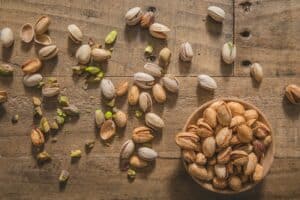
Let me guess: you bought a mixed nut bag because it felt like the “healthy choice,” and then you wondered if it actually does anything beyond being tasty. Fair question. Nuts get labeled as brain food all the time, but the internet rarely explains what that means in a grounded way.
Here is the short version: nuts are nutrient-dense, and some studies link higher nut intake with better long-term health outcomes. When it comes to cognition, the evidence is promising in places and messy in others. That does not make nuts pointless. It just means we should talk about them like food, not medicine.
In this guide, we will look at what research on nuts and brain health has been finding, what nutrients show up again and again, and how to build a simple habit that fits your real schedule.
What the evidence looks like right now
There are three main categories of evidence:
1) Observational studies
These compare groups of people who eat different amounts of nuts. Some large analyses report that higher nut intake is associated with lower risk of dementia, especially when nuts are unsalted. Again, association is not proof, but it is a meaningful signal.
2) Randomized trials
Trials test adding nuts to the diet and measuring changes. Results are mixed. A 2024 meta-analysis of randomized trials found no clearly significant overall effect of nuts on cognition and called for larger studies. That does not mean nuts are useless. It means effects might be small, depend on the group studied, or require long-term patterns to show up.
3) Diet pattern research
Nuts are often part of Mediterranean-style eating patterns. In those patterns, nuts show up alongside vegetables, fruits, whole grains, fish, and olive oil. It is hard to separate one food from the whole lifestyle, but overall patterns like this are consistently linked with better cardiovascular health, and heart health is strongly connected to brain health.
Why nuts make sense for brain health (even without hype)
Nuts tend to deliver a few key nutrients that matter for overall health:
- Unsaturated fats (including omega-3 in some nuts)
- Fiber
- Plant compounds with antioxidant activity
- Minerals like magnesium
- Vitamin E in certain nuts (almonds and hazelnuts are classic examples)
There is also a practical point: nuts can replace less healthy snacks. If nuts replace sugary baked goods or salty chips, that can improve overall diet quality. That change can support better energy and steadier blood sugar, and those things matter for focus and mood.
Which nuts get the most attention?
Different nuts have different strengths. Here is a simple cheat sheet:
- Walnuts: known for plant omega-3 (ALA) and polyphenols
- Almonds: vitamin E and satisfying crunch, easy to portion
- Pistachios: antioxidants like lutein and a naturally portion-friendly shell habit
- Hazelnuts: vitamin E and a rich flavor that makes healthy snacks feel indulgent
If you do not want to overthink it, mixed nuts (unsalted) are a solid everyday option.
How much is a “brain-friendly” amount?
Many studies use a serving around 1 ounce (28 grams) per day. That is a small handful. You do not need a huge portion.
If you snack mindlessly, nuts can add up fast. I like to pre-portion them into small containers or snack bags, especially for school or work.
The easiest way to build the habit
This is the trick that actually works: attach nuts to a food you already eat.
- Add nuts to oatmeal
- Stir nuts into yogurt
- Sprinkle nuts on salads and grain bowls
- Keep a small container in your backpack or desk for the late afternoon slump
If you like meal prep, prep a “snack box” once a week with nuts, fruit, and a protein like cheese or hummus. That one prep session can save you from grabbing random vending machine snacks all week.
For more structured meal planning, see Meal Prep and Weekly Plans on ovpns.dev.
Nut snack ideas that do not feel boring
- Apple slices plus peanut butter plus a sprinkle of chopped nuts
- Greek yogurt with mixed nuts and cinnamon
- A salad bowl with chickpeas, tomatoes, cucumber, olive oil, lemon, and walnuts
- Overnight oats topped with almonds
- A quick dinner snack plate with nuts, veggies, and crackers
If you want fast dinner ideas that pair well with a simple nut-topped salad, browse 20 Minute One Pan Dinners.
Common mistakes (I have made them all)
- Buying only salted nuts and then eating way more than planned
- Leaving nuts in a warm pantry too long so they taste stale or bitter
- Adding nuts to everything and forgetting portion size
- Treating nuts like a supplement instead of a snack that fits into your day
Pro tip: store extra nuts in the fridge or freezer, especially walnuts, to keep flavor fresh longer.
Frequently asked questions
Are nuts better than supplements for brain health?
For most people, whole foods are a safer, simpler starting point. Supplements can be helpful in specific medical situations, but they are not a shortcut. If you are considering supplements, talk with a qualified professional.
What if I am allergic to nuts?
Do not experiment with allergies. If you have a known nut allergy, skip nuts and choose other nutrient-dense snacks like seeds (if safe), yogurt, fruit, or roasted chickpeas.
Are nut butters the same as nuts?
Nut butters can be a good option, but check labels. Some have added sugar and oils. Look for simple ingredients.
Do I need to eat nuts every day?
Not necessarily. Consistency matters more than perfection. Even a few times a week can improve snack quality.
Which nut is best?
The one you will actually eat consistently. If you love pistachios, start there. If you love walnuts, great. Variety is nice, but consistency is the real win.
Bottom line
Nuts are not magic. But they are a smart, satisfying snack that can support overall diet quality, and better diet quality supports better long-term health, including brain health. Keep portions reasonable, choose unsalted when you can, and use nuts to replace less nourishing snacks.
For more ideas that make healthy eating feel doable, explore Healthy Recipes and Quick and Easy Recipes on ovpns.dev.
About the Author:
Amine is a software developer who believes that great code starts with great nutrition. After years of balancing high-pressure tech roles with a sedentary lifestyle, he founded ovpns.dev to share realistic, healthy meal ideas designed for busy professionals. When he isn’t writing code or setting up servers, you’ll find him in the kitchen experimenting with recipes that boost focus and energy.