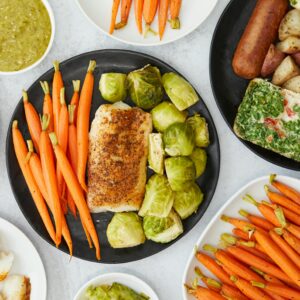
I used to think healthy food had to be complicated. Turns out, it just has to be intentional. This recipe is simple, but every ingredient is doing a job: flavor, texture, or keeping you satisfied. And yes, it still tastes like real food, not a sad compromise.
Some recipes are all vibes and no substance. This is not one of them. It is the kind of meal that keeps you full, keeps your budget calm, and keeps your kitchen from turning into a disaster zone. Also, it is really good the next day, which feels like cheating in the best way.
There is a special kind of relief that comes from opening the fridge and already knowing what is for dinner. No scrolling. No last-minute grocery run. This recipe (and the little method behind it) was born from that exact need. It is practical food, but it still tastes like you tried.
Why This Recipe Works
- Simple steps and beginner-friendly timing
- Budget-friendly ingredients you can find anywhere
- Good texture: something creamy, something crunchy, something fresh
- Leftovers hold up well for the next day
- Works for busy weeknights and low-energy cooking
Budget note: This typically costs about $2 to $4 per serving depending on your pantry and local prices.
Recipe at a Glance
- Prep Time: 10 minutes
- Cook Time: 25 minutes
- Total Time: 35 minutes
- Servings: 4
- Difficulty: Easy
- Cost: Budget-friendly
Ingredients You’ll Need
Main Ingredients
- 2 cups cooked grain (rice, quinoa, or couscous)
- 2 cups chopped veggies (fresh or frozen)
- 1 protein option (beans, chicken, tofu, or eggs)
- 1 tablespoon olive oil
- Salt and black pepper
For the Sauce
- 2 tablespoons lemon juice or vinegar
- 1 teaspoon mustard or tahini
- 1 teaspoon honey (optional)
Optional Add-ins
- Fresh herbs
- Seeds or nuts
- Pickled onions
- Hot sauce
Step-by-Step Instructions
Step 1 – Prep everything
Set a timer for about 10 minutes and do the small stuff first: chop, rinse, measure, and set everything on the counter. It sounds boring, but it saves you from that frantic mid-cook scramble.
Step 2 – Cook the main component
Cook your main component using simple heat and time. Aim for about 25 minutes of active cooking, then taste and adjust seasoning.
Step 3 – Add the rest
Add the veggies and your sauce. Stir, taste, and fix what is missing (usually salt, acid, or a bit of spice).
Step 4 – Finish and serve
Top with something fresh and crunchy. That last step makes the bowl feel complete.
Pro Tips from My Kitchen
- Double the base: If you are cooking grains or roasting veggies, make extra. Future you will be thrilled.
- Taste the sauce before you commit: Dressings and sauces should taste slightly bold on their own. They mellow in the bowl.
- Store smart: Keep wet and dry parts separate so your leftovers stay good, not soggy.
Easy Variations
- Vegetarian: Swap meat for chickpeas, lentils, tofu, or extra veggies.
- Low-carb: Use cauliflower rice or extra greens instead of grains or pasta.
- Spicy: Add chili flakes, hot sauce, or sliced jalapeno to taste.
- Kid-friendly: Keep seasoning mild and let everyone add toppings at the table.
Storage and Leftovers
Fridge: Store in airtight containers for up to 3 to 4 days.
Freezer: Not ideal.
Reheat: Microwave in short bursts, stirring once, until hot.
Food safety reminder: Keep perishable foods refrigerated and reheat leftovers until hot. For general guidance, see FDA food safety resources.
Common Mistakes to Avoid
- Overcrowding the pan: Steam happens instead of browning. Use this instead: Cook in a single layer or do two batches.
- Under-seasoning: Healthy food can taste flat if you skip salt and acid. Use this instead: Add a pinch of salt and a squeeze of lemon, then taste again.
- Adding dressing too early: It can turn crisp ingredients soft. Use this instead: Dress right before eating, especially for meal prep.
Key Takeaways
- tuna rice bowl is built to taste good and still feel balanced.
- You can swap ingredients based on what you have and keep the method the same.
- Storing components separately keeps leftovers from getting soggy.
- A small amount of acid (lemon or vinegar) makes the flavors pop.
Frequently Asked Questions
How do I know when it is done?
Use simple cues: grains should be tender, veggies should be bright and cooked to your liking, and proteins should be cooked through. When in doubt, cook a little longer rather than rushing it.
Can I make this ahead of time?
Yes. Prep the components, then assemble right before eating for the best texture. If it is a soup or pasta, it usually tastes even better the next day.
Is this freezer-friendly?
Some versions are. Soups and cooked grains freeze well. Fresh greens and creamy sauces usually do not. Freeze the base and add fresh toppings later.
What can I substitute if I do not have the main ingredient?
Use what is similar in texture and cooking time. For example, swap quinoa for rice, chickpeas for beans, or spinach for kale.
How do I keep leftovers from getting soggy?
Store wet parts (sauces, juicy tomatoes) separately, and add crunchy toppings at the last moment.
Ready to Try This?
If you try this, keep it simple the first time. Then adjust. Add more crunch, more herbs, more heat, whatever makes it feel like yours. If you are building a weekly routine, bookmark this and rotate it with two other favorites. That little rotation is how healthy eating stays doable. You can find more ideas in the categories below. I recommend picking one new recipe a week instead of changing everything at once. Recipe tested in a home kitchen. Always follow proper food safety guidelines.
More ideas:
Links Used Summary
Internal Links Used
- Browse Meal Prep & Weekly Plans – https://ovpns.dev/category/meal-prep-weekly-plans/
- Explore Budget Meals – https://ovpns.dev/category/budget-meals/
- Explore Healthy Snacks – https://ovpns.dev/category/healthy-snacks/
- Explore Healthy Recipes – https://ovpns.dev/category/healthy-recipes/
External Links Used
- Epicurious – https://www.epicurious.com/
- Serious Eats – https://www.seriouseats.com/
- USDA FoodData Central – https://fdc.nal.usda.gov/